Imagine this: you’re 12 miles offshore. You tap a touchscreen, and in seconds, you’ve adjusted your trolling motor, checked your engine temp, marked a school of bait on sonar, and set a new GPS route — all without leaving the helm.
Welcome to marine networking in 2025.
The old-school days of separate, standalone electronics are over. Today’s boats are fully connected ecosystems — systems that talk to each other and to you. At the center of it all is NMEA 2000, the universal language of marine electronics. It’s seamless, it’s smart, and it’s changing the way we fish.
What Is Marine Networking, Exactly?
Marine networking links your boat’s critical systems — sonar, radar, GPS, engines, batteries, livewells, lighting, autopilot — into a single integrated network. Instead of isolated devices with their own displays and controls, everything connects via a central “backbone” and talks through a shared digital protocol.
That protocol is NMEA 2000 — and it’s as close to plug-and-play as the marine world gets.
Key components like:
- Chartplotters
- Fish finders
- Engine monitors
- Power systems
- Autopilot
- Weather receivers
- Tank sensors
…can all be wired into one data network. Once connected, they share real-time information. Your GPS can tell your autopilot where to go. Your fish finder can overlay sonar over a chart. Your engine can send diagnostics to your display — or your phone.
One Screen, Total Control
At the heart of most modern boats is a multi-function display (MFD) from brands like Garmin, Raymarine, Simrad, or Lowrance. These units are like the dashboard of a smart car — but for the water.
From a single screen, you can:
- Monitor engine RPM, temp, fuel burn, and voltage
- View high-def sonar and radar simultaneously
- Switch camera feeds or control deck lighting
- Track fish schools and current speed
- Adjust autopilot or anchor position
- Get live weather and AIS traffic data
It’s all customizable, too. You decide what info shows where. Want a 3-split screen with radar, sonar, and engine vitals? Tap, drag, done.
Wireless Control: Your Boat in Your Pocket
Today’s networks aren’t just wired — they’re wireless. Apps like Garmin ActiveCaptain, Simrad App, and Raymarine RayControl let you mirror your MFD display on a smartphone or tablet.
That means:
- Starting the engine remotely
- Checking battery status from shore
- Adjusting your trolling motor from the casting deck
- Syncing maps and routes to your helm while you’re still at home
Some systems even let you stream sonar to your phone in real-time. If you’re running a trolling spread or fishing solo, you can walk to the bow with your phone and stay dialed in without going back to the helm.
Safety, Diagnostics & Peace of Mind
Beyond fishing, marine networking boosts safety and system awareness.
Modern networks monitor:
- Bilge pump activity
- Battery voltage drops
- Fuel tank levels
- Engine fault codes
Get alerts when a pump fails or a battery dips too low — before it becomes a real problem. Many systems also log engine hours, update firmware, and run diagnostics automatically.
If you ever need to troubleshoot, your MFD has the data. Some even allow remote access by dealers — cutting downtime and shop visits.
NMEA 2000 vs. the Old Way
Before NMEA 2000, everything used proprietary cables and didn’t play nice together. You had a sonar screen here, a GPS over there, a separate gauge for engine temp — and each one needed its own wiring.
Now, with NMEA 2000:
- One cable backbone links everything
- Devices “plug in” like USB drives
- All electronics speak the same language
- Upgrading is modular, not a full rewiring job
It’s standardized, efficient, and scalable. That’s why nearly every major marine brand supports it now.
What You Can Add to Your Network
Want to level up your setup? Here are some popular NMEA 2000 add-ons:
- Digital switching modules – Replace physical switches with touchscreen control for lights, pumps, and accessories
- Weather modules – Get real-time barometric and wind data
- Tank monitoring – See live water, fuel, and waste tank levels
- Engine interface cables – Show RPM, hours, and temps from Mercury, Yamaha, Suzuki, and others
- AIS receivers – Track other vessels on your display
- Wireless gateways – Add Wi-Fi or Bluetooth access to your system
It’s like building your own smart boat — piece by piece.
Real-World Impact: Fishing Smarter, Not Harder
Let’s say you’re chasing stripers offshore. With a networked setup:
- You spot bait on sonar
- Drop a waypoint
- Engage Spot-Lock with your trolling motor
- Set a drift route with autopilot
- Monitor engine performance to optimize fuel burn
- Switch to night mode lighting — all without leaving the helm
Everything flows. Everything talks. And that gives you more time to fish — and fewer surprises on the water.
The Future: AI, Cloud Sync, and Beyond
Looking ahead, marine networks are getting even smarter.
We’re starting to see:
- AI-enhanced autopilot that adapts to wind and current
- Cloud syncing of routes, sonar logs, and waypoints
- Predictive engine maintenance alerts
- Voice control for hands-free commands
- Machine learning sonar that suggests lure depth or spot shifts
As with everything tech, today’s premium features are tomorrow’s baseline. If you’re upgrading your boat this year, marine networking isn’t a luxury — it’s a foundation.
Final Word: Your Boat Should Work for You
In 2025, boats shouldn’t just float — they should function like smart machines. Marine networking turns your rig into a streamlined command center that reacts, adapts, and delivers total control.
Whether you’re guiding a charter, running a tournament trail, or just fishing hard on the weekend, integrated tech saves you time, solves problems early, and lets you focus on what matters most: catching fish and enjoying the ride.
So yeah — it’s not just a boat anymore.
It’s your networked fishing platform.
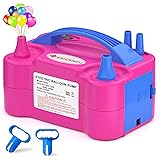
IDAODAN Electric Balloon Pump, Portable Electric Balloon Blower Machine Balloon Air Pump Dual Nozzle Rose Red 110V 600W Balloon Inflator for Party Decorations
$13.98 (as of March 16, 2026 02:59 GMT +00:00 - More infoProduct prices and availability are accurate as of the date/time indicated and are subject to change. Any price and availability information displayed on [relevant Amazon Site(s), as applicable] at the time of purchase will apply to the purchase of this product.)
Berkley Trilene Big Game Monofilament Fishing Line
$8.58 (as of March 16, 2026 19:23 GMT +00:00 - More infoProduct prices and availability are accurate as of the date/time indicated and are subject to change. Any price and availability information displayed on [relevant Amazon Site(s), as applicable] at the time of purchase will apply to the purchase of this product.)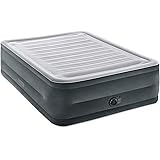
Intex 64417ED 22in Queen Dura-Beam Comfort Plush High-Rise Inflatable Air Mattress with Built in Pump for Travel and Camping, 600lb Weight Capacity
$59.99 (as of March 16, 2026 02:59 GMT +00:00 - More infoProduct prices and availability are accurate as of the date/time indicated and are subject to change. Any price and availability information displayed on [relevant Amazon Site(s), as applicable] at the time of purchase will apply to the purchase of this product.)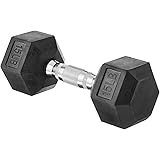
Amazon Basics Rubber Hex Dumbbell Hand Weight
$18.80 (as of March 16, 2026 02:59 GMT +00:00 - More infoProduct prices and availability are accurate as of the date/time indicated and are subject to change. Any price and availability information displayed on [relevant Amazon Site(s), as applicable] at the time of purchase will apply to the purchase of this product.)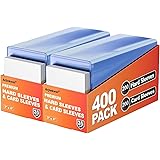
400 Card Sleeves Hard Plastic, Arjiekwei 3"X4" Baseball Cards Protectors Plastic, Premium Card Holder for Trading Sports Baseball Football Game Cards (200 Hard Sleeve + 200 Soft Sleeve)
$19.59 (as of March 16, 2026 02:59 GMT +00:00 - More infoProduct prices and availability are accurate as of the date/time indicated and are subject to change. Any price and availability information displayed on [relevant Amazon Site(s), as applicable] at the time of purchase will apply to the purchase of this product.)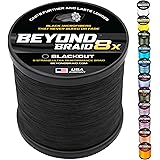
Beyond Braid Braided Fishing Line -Super Strong - Abrasion Resistant - No Stretch -Blue Camo, Moss Camo, White, Green, Pink, Blue, 4 Strand 8 Strand
$27.95 (as of March 16, 2026 19:23 GMT +00:00 - More infoProduct prices and availability are accurate as of the date/time indicated and are subject to change. Any price and availability information displayed on [relevant Amazon Site(s), as applicable] at the time of purchase will apply to the purchase of this product.)
Franklin Sports X-40 Outdoor Pickleballs - Official Ball of USA Pickleball, APP Tour + US Open - Regulation Size
$26.83 (as of March 16, 2026 02:59 GMT +00:00 - More infoProduct prices and availability are accurate as of the date/time indicated and are subject to change. Any price and availability information displayed on [relevant Amazon Site(s), as applicable] at the time of purchase will apply to the purchase of this product.)