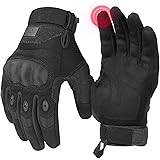
Traditionally, night fishing was risky and limited. Spotlights killed your night vision. Navigation meant relying on charts or dim displays. Hazards like floating debris, shallow structure, and other boats were hard to see. And try casting into a mangrove pocket in total blackness — good luck.
Anglers had to choose: risk safety for a few extra hours, or play it safe and head in at dusk.
But today, you can fish with confidence long after sunset — and not just because your GPS is working. The visual clarity offered by modern low-light tech is the real game-changer.
Night Vision vs. Thermal Imaging: What’s the Difference?
Let’s clear something up — these are two different tools:
Night Vision (Low-Light Optics)
- Amplifies ambient light (moon, stars, boat lights)
- Produces a visible image with green or gray tint
- Great for spotting structure, shorelines, and floating debris
Thermal Imaging (Infrared)
- Detects heat signatures (engines, people, wildlife)
- Works in complete darkness — no light needed
- Ideal for spotting boats, buoys, and even fish breaking the surface
Modern marine setups often combine both, giving you total coverage.
Leading Brands & Systems
Several companies are leading the charge in marine night vision:
- FLIR (Forward Looking InfraRed) is the top name in thermal marine cameras. Their M232 and M364C units are popular with serious anglers and offshore boaters.
- SiOnyx produces high-performance digital night vision cameras that can mount on boats or be handheld. The Aurora Black is a favorite for kayak night anglers.
- Raymarine and Garmin now offer integrated night vision systems that work directly with their MFDs, showing real-time feeds right on your dashboard.
There are options for every setup — from center consoles to flats skiffs to aluminum jon boats.
Why It Matters for Anglers
1. Safe Navigation
Dark water hides a lot — logs, rocks, other boats. Thermal imaging helps you spot heat signatures from engines or people before your lights catch them. Low-light vision shows docks, markers, and overhangs clearly.
No more white-knuckle drives through narrow channels.
2. Tactical Fishing
Ever watched predator fish slash through bait balls under moonlight? Thermal imaging lets you see the heat contrast of fish breaking the surface, even when your eyes can’t.
Night vision shows structure along the shoreline, making it easier to cast into pockets, reeds, or dock pilings.
You’re no longer “feeling it out” — you’re hunting.
3. Stealth Mode
Bright boat lights can spook fish. With night vision, you can shut them off and stay ghosted. This is huge for shallow water fishing, especially for redfish, snook, or bass hugging the edges.
The quieter and darker your approach, the more confident the fish are. Night vision keeps you sharp without tipping them off.
Night Vision for Kayaks and Small Boats
You don’t need a $5,000 thermal dome camera to fish smart at night. Compact digital night vision units — like the SiOnyx Aurora — give you real-time video in pitch black. Mount one on your hat, rail, or even clip to your tackle bag.
Pair it with:
- A portable battery bank
- A phone/tablet for streaming
- A small nav light setup
…and you’ve got a self-contained night fishing rig that fits in a milk crate.
Tips for Fishing with Night Vision
- Dial in display brightness – too bright ruins your natural night vision.
- Pre-program routes – set GPS points during the day to minimize guesswork at night.
- Use red deck lights – they preserve your vision while giving just enough glow.
- Practice in low-light before full dark – get used to how things appear on screen.
- Mark obstacles during daylight – like submerged logs, rocky points, or dock edges.
What About Casting and Landing?
With night optics, you can track your cast zone much easier. Spot overhangs, docks, or reed lines through a scope or camera. You’ll also see your retrieve better — especially with glow baits or topwater lures that leave a wake.
Hook a big one? Night cameras help you track the fight and land safely. If you’ve ever tried to lip a bass in total darkness with one hand and a flashlight in the other — you’ll appreciate the upgrade.
What It Costs
- Handheld Night Vision Cameras: $400–$1,200
- Thermal Imaging Cameras: $1,500–$6,000+
- Helmet-Mounted NVG (tactical style): $1,000–$3,000
- Integrated MFD Night Systems: $3,500 and up
You can go budget or full Navy SEAL — but even a small investment opens up new fishing hours and adds real safety value.
Real-World Use Case: “We Didn’t Go Back to Daylight”
A group of inshore anglers in Texas outfitted their flats boat with a basic FLIR camera and a SiOnyx hand unit. Their verdict?
“We went out at 6 p.m. and stayed until 3 a.m. Never turned on a deck light. We saw redfish feeding and moved with them — no spooking, no noise. It’s like cheating. And way cooler than we expected.”
Bonus: Night Fishing Is Often Better
Low boat traffic, cooler temps, and fish feeding patterns all make night fishing worth exploring. Bass often move shallow. Snook and tarpon feed under dock lights. Stripers come up to chase bait.
If you’ve got the right tech, you can follow the bite — not the sun.
Final Cast: Turn the Dark into an Advantage
Night vision and thermal tech isn’t just for tactical teams and yacht captains anymore. It’s affordable, accessible, and it flat-out works for anglers. Whether you’re easing through a channel or working topwater in silence, modern optics let you fish smarter — and longer.
Fishing doesn’t stop when the sun sets. It just shifts to the night crew.
So grab your gear, charge your optics, and flip the switch. The dark is wide open.

Amazon Basics Cast Iron Kettlebell
$31.10 (as of March 16, 2026 02:59 GMT +00:00 - More infoProduct prices and availability are accurate as of the date/time indicated and are subject to change. Any price and availability information displayed on [relevant Amazon Site(s), as applicable] at the time of purchase will apply to the purchase of this product.)
FRTKK Tactical Molle Admin Pouch Utility Laser Cut EDC Tool Pouch Bag Horizontal Modular Pouches Include US Flag Patch and Keychain
$13.99 (as of March 16, 2026 19:23 GMT +00:00 - More infoProduct prices and availability are accurate as of the date/time indicated and are subject to change. Any price and availability information displayed on [relevant Amazon Site(s), as applicable] at the time of purchase will apply to the purchase of this product.)
Aegend Swim Goggles, Swimming Goggles No Leaking Full Protection Adult Men Women Youth
$9.99 (as of March 16, 2026 02:59 GMT +00:00 - More infoProduct prices and availability are accurate as of the date/time indicated and are subject to change. Any price and availability information displayed on [relevant Amazon Site(s), as applicable] at the time of purchase will apply to the purchase of this product.)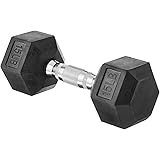
Amazon Basics Rubber Hex Dumbbell Hand Weight
$18.80 (as of March 16, 2026 02:59 GMT +00:00 - More infoProduct prices and availability are accurate as of the date/time indicated and are subject to change. Any price and availability information displayed on [relevant Amazon Site(s), as applicable] at the time of purchase will apply to the purchase of this product.)
HotHands Hand Warmer Value Pack,
$6.72 (as of March 16, 2026 02:59 GMT +00:00 - More infoProduct prices and availability are accurate as of the date/time indicated and are subject to change. Any price and availability information displayed on [relevant Amazon Site(s), as applicable] at the time of purchase will apply to the purchase of this product.)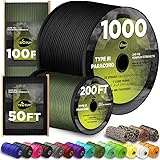
TECEUM 5/32" Paracord Rope 1000 – 1000ft / 200ft / 100ft / 50ft – Tactical Parachute Cord 4mm – 45+ Colors – Nylon String for Survival & Camping Gear – Stripe Cord for Survival – Utility Rope
$7.99 (as of March 16, 2026 19:23 GMT +00:00 - More infoProduct prices and availability are accurate as of the date/time indicated and are subject to change. Any price and availability information displayed on [relevant Amazon Site(s), as applicable] at the time of purchase will apply to the purchase of this product.)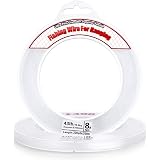
Clear Fishing Wire, Acejoz 656FT Fishing Line Clear Invisible Hanging Wire Strong Nylon String Supports 40 Pounds for Balloon Garland Hanging Decorations
$5.69 (as of March 16, 2026 19:23 GMT +00:00 - More infoProduct prices and availability are accurate as of the date/time indicated and are subject to change. Any price and availability information displayed on [relevant Amazon Site(s), as applicable] at the time of purchase will apply to the purchase of this product.)